Climate Technology Used in the FIFA World Cup
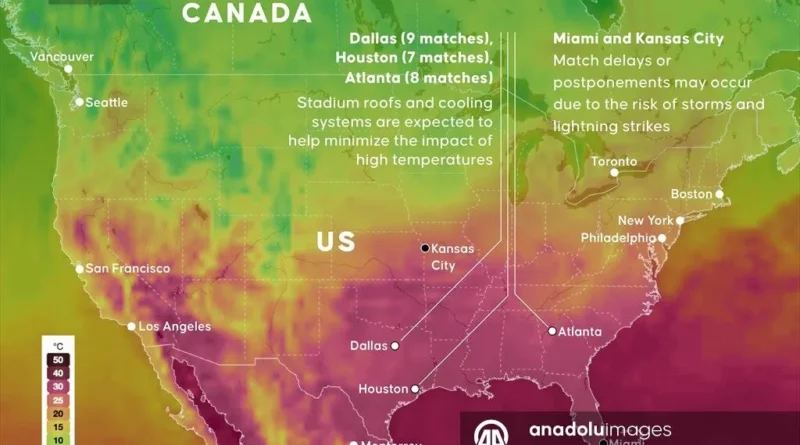
Climate technology plays a very important role in the FIFA World Cup, especially when matches are held in countries with high temperatures or challenging weather conditions. Modern technology helps create a safe, comfortable, and enjoyable environment for players, referees, staff, and millions of fans.
One of the most impressive examples was the FIFA World Cup Qatar 2022. Because summer temperatures in Qatar can reach over 40°C (104°F), engineers developed advanced cooling systems for the stadiums. These systems use powerful air conditioning units, sensors, and specially designed air vents to keep the temperature between 20°C and 24°C. Cool air is directed toward the field and the spectator areas, creating a comfortable environment while reducing energy waste.
Another important technology is weather forecasting. Meteorologists use satellites, Doppler radar, weather stations, and supercomputers to monitor weather conditions before and during every match. They can predict strong winds, rain, dust storms, or extreme heat, allowing organizers to make decisions that improve safety and comfort for everyone.
Many World Cup stadiums also use sustainable technologies to reduce their environmental impact. Solar panels provide clean energy, while smart lighting systems automatically adjust brightness to save electricity. Some stadiums collect rainwater and recycle water for irrigation and maintenance. Energy-efficient cooling systems help reduce electricity consumption without affecting performance.
Artificial intelligence and smart sensors are also becoming more common in sports venues. These technologies monitor temperature, humidity, air quality, and energy use in real time. If conditions change, the systems automatically adjust cooling and ventilation to maintain the best possible environment.
Climate technology benefits not only the players but also the fans. Comfortable temperatures help athletes perform at their best and reduce the risk of heat-related illnesses. Spectators can enjoy the matches in a pleasant environment, even when the weather outside is very hot.
In conclusion, climate technology has become an essential part of the FIFA World Cup. By combining advanced cooling systems, accurate weather forecasting, renewable energy, and smart technologies, FIFA can organize safer, more comfortable, and more sustainable tournaments. These innovations demonstrate how science and technology can improve one of the world’s biggest sporting events while protecting both people and the environment.